Cumulative environmental effects
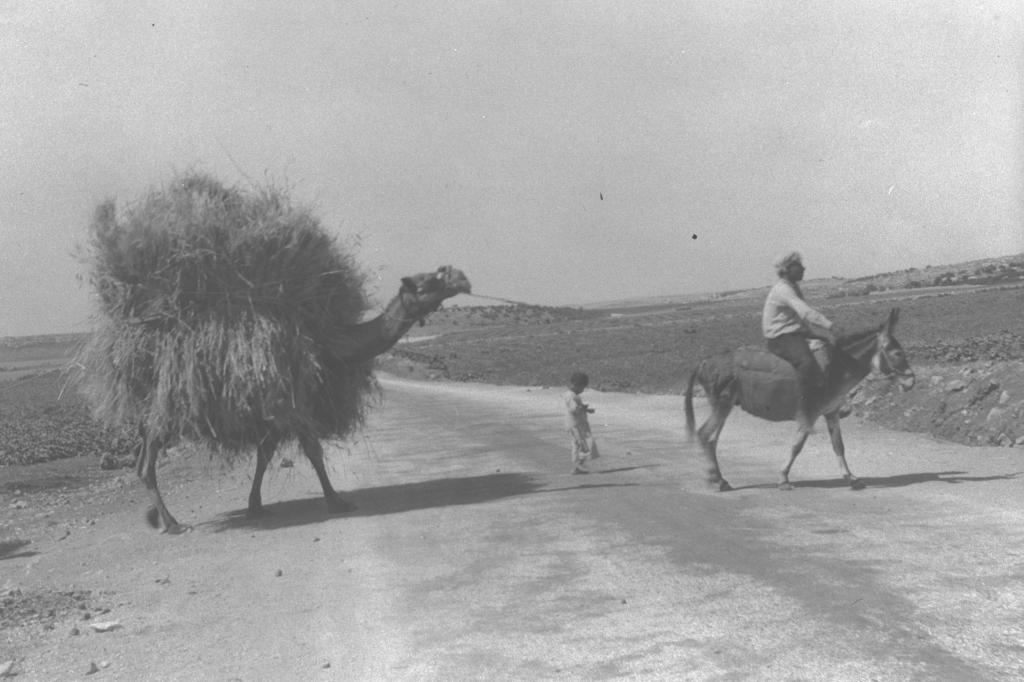
Laws that protect the environment and natural resources can only be effective if they include mechanisms that help diagnose complex environmental problems, and address all relevant sources of harm – all the straws on the camel’s back. This also means making connections across the many layers of government and agencies that regulate different aspects of an environmental problem, especially in federal nations. My early research in this area focused on the cumulative effects of groundwater pumping, but now I am asking related questions in diverse contexts, for example, laws connected with urban air pollution, marine biodiversity, and loss of alpine habitats.
I gratefully acknowledge research funding from the Australian Research Council (#DE180101154) and the University of Melbourne.
Groundwater
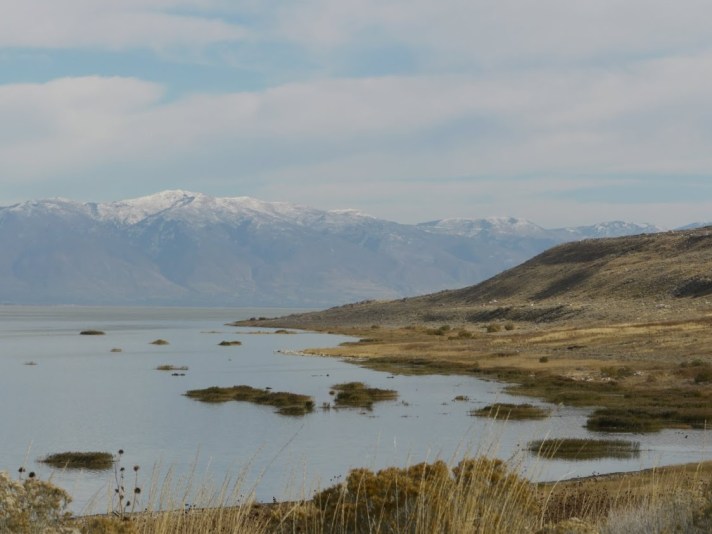
My research on groundwater law evaluates how current laws do, and future laws might, promote environmental sustainability. Groundwater is a chronic gap in water law scholarship in Australia and internationally, which tends to focus largely on more visible and, in some ways, simpler surface water problems.
My groundwater work has been supported by the University of Melbourne Early Career Researcher Award (ID #502356), the Dow Foundation, the Alcoa Foundation, the S.D. Bechtel Jr. Foundation and a gift from Mr Cody Smith (through the Stanford Woods Institute for the Environment, Stanford University).
Innovative research methods: law plus…
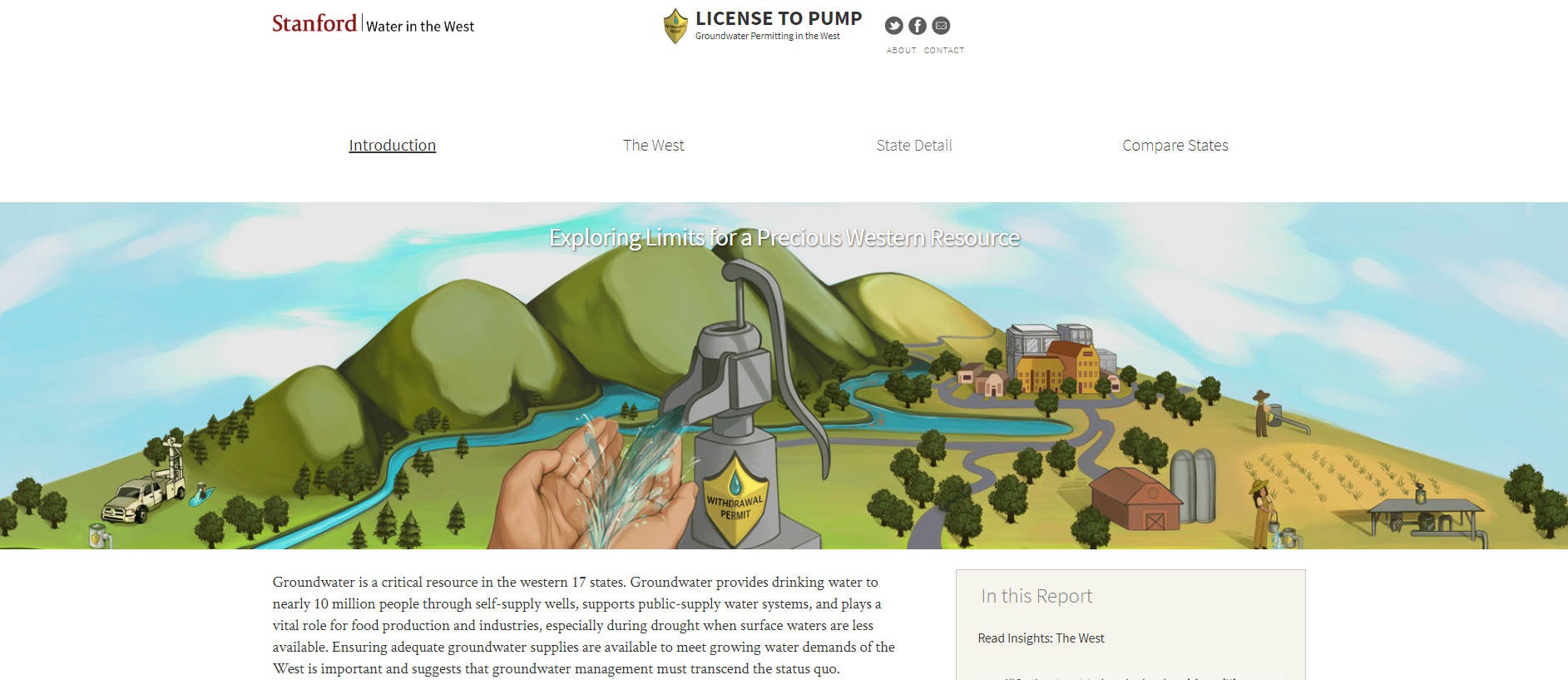
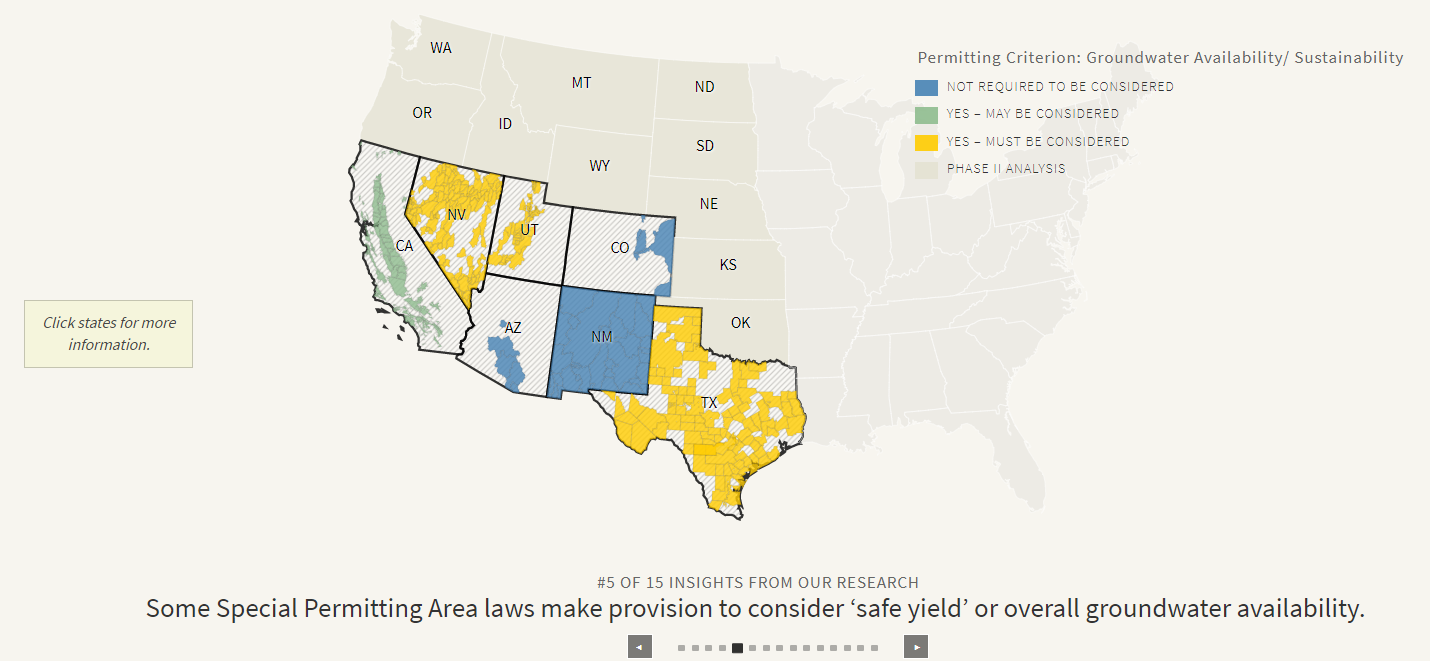
My research uses interdisciplinary approaches (analysing written laws, interviews, maps, and statistics) to understanding and comparing laws ‘on the books’ and ‘on the ground’. These methods help to compare and evaluate laws across large areas, comparing countries, regions and sub-national units (provinces, states, local government areas).
These methods also allow interactive interfaces and deeper engagement with interested stakeholders: see the License to Pump dashboard that presents research by Dr Debra Perrone and me, explaining small-scale variation in laws using maps.
 Rebecca Nelson